How Corrective Esthetics Prepares You for a Medical Setting
Modern esthetics extends far beyond basic relaxation treatments into advanced clinical skincare. As demand grows for specialized skin therapies, aspiring professionals need training that bridges the gap between traditional spas and medical environments. Mastering corrective esthetic techniques allows practitioners to thrive alongside healthcare professionals while delivering transformative client results.
Advanced Skin Physiology and Clinical Analysis
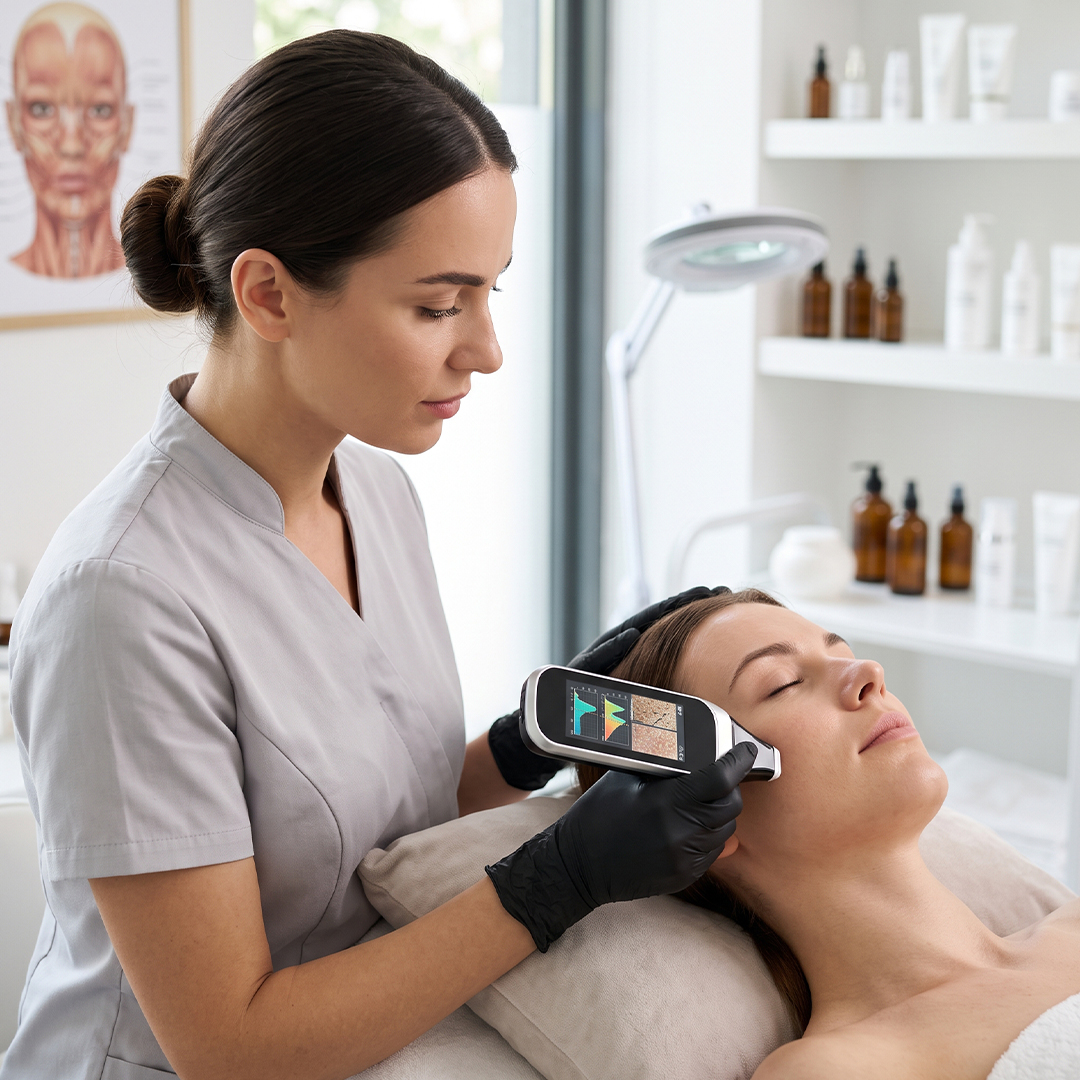
Comprehensive esthetician training begins with a deep dive into skin histology, cellular renewal, and complex skin conditions. Understanding the physiological mechanisms behind acne, hyperpigmentation, and aging allows practitioners to evaluate clients with clinical precision. This scientific foundation enables customized treatment protocols that align seamlessly with medical-grade dermatological standards and patient care protocols.
Mastery of Medical-Grade Technologies and Modalities
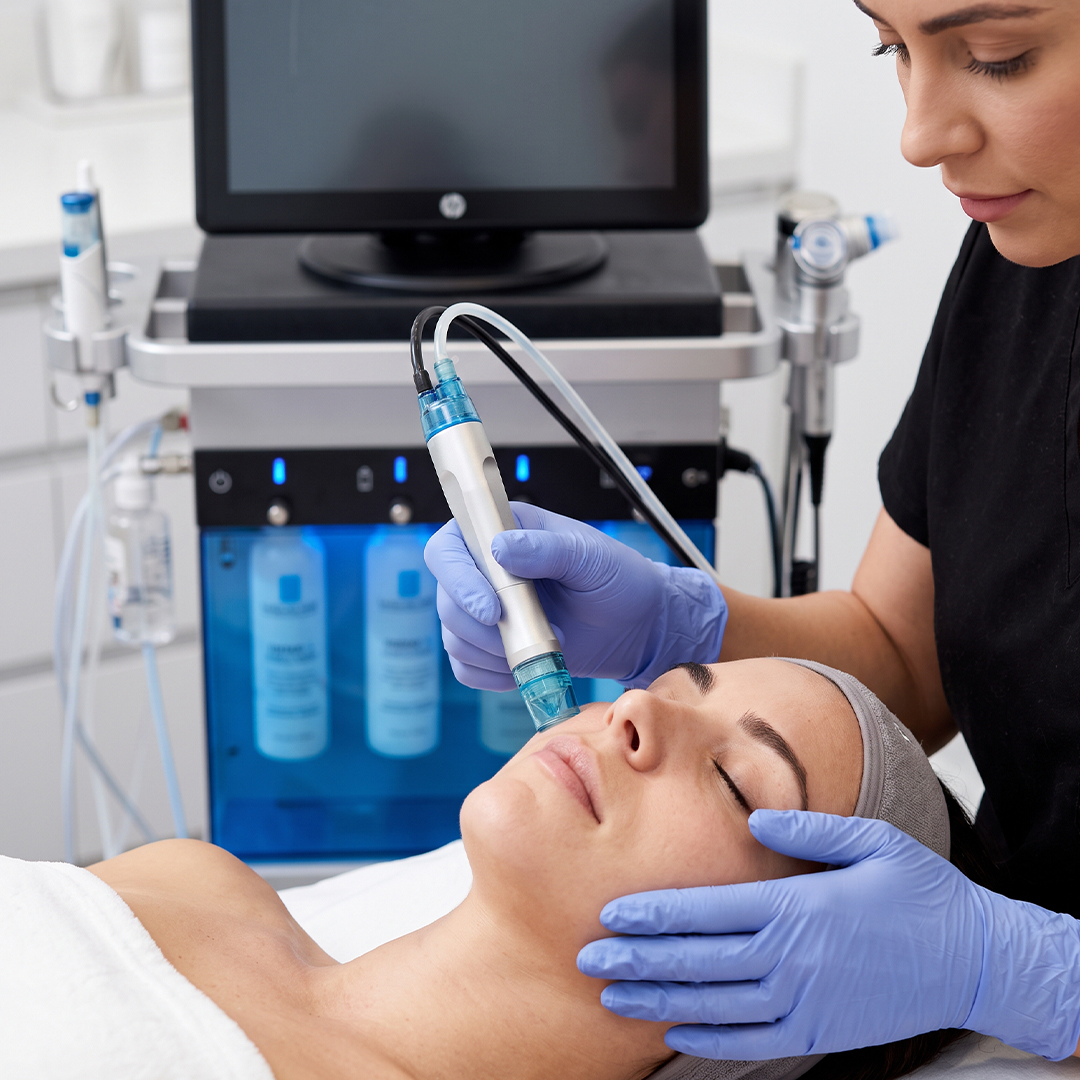
Transitioning to a clinical setting requires hands-on experience with sophisticated equipment. Specialized esthetician certification covers advanced chemical peels, microdermabrasion, LED light therapy, and microneedling protocols. Learning proper device handling, safety procedures, and risk mitigation prepares graduates to perform high-level resurfacing therapies confidently alongside plastic surgeons, dermatologists, and medical directors within modern healthcare practices.
Strict Sanitation and Clinical Safety Protocols
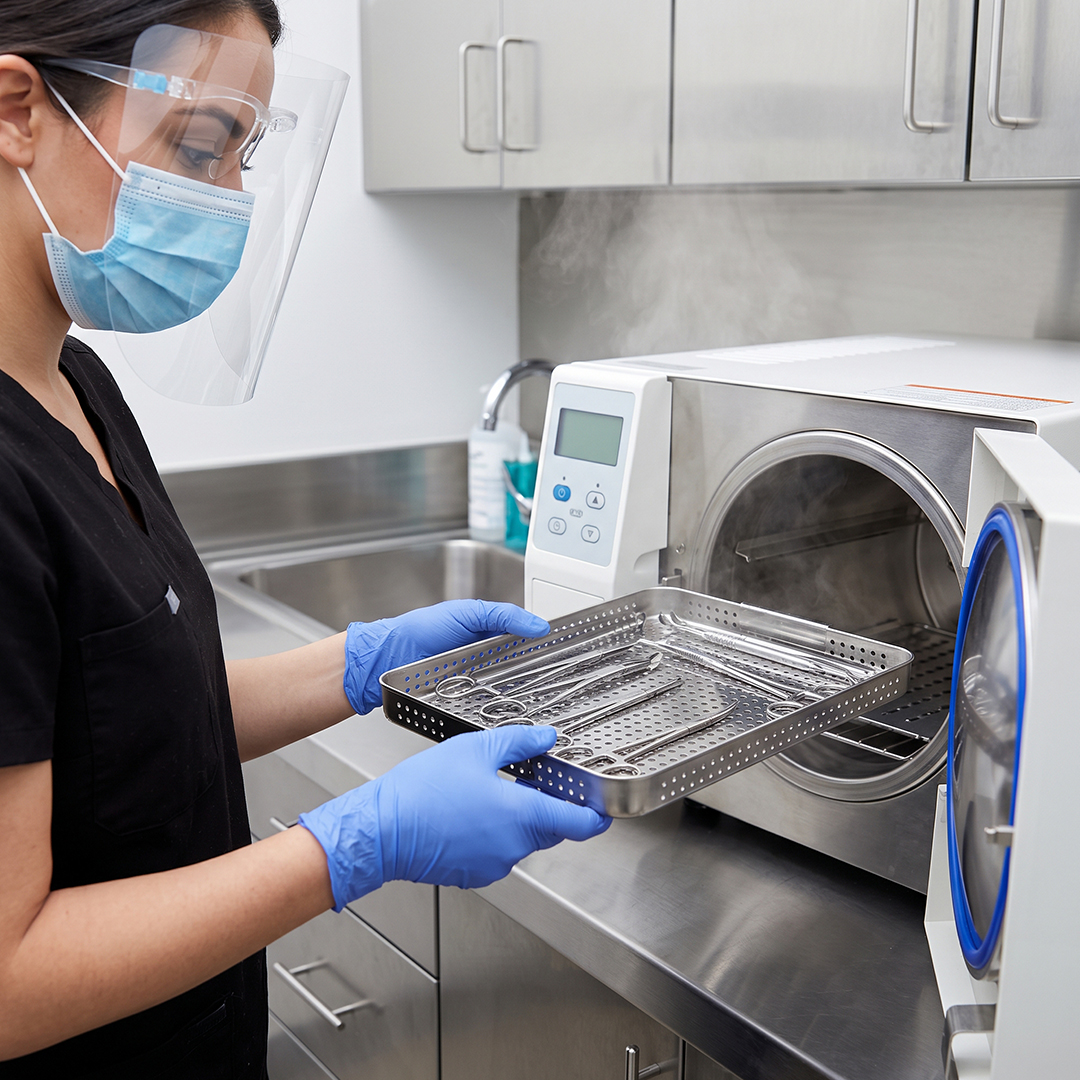
Medical environments operate under strict sanitation, sterilization, and safety standards to protect patient health. Advanced esthetics education reinforces rigorous cross-contamination prevention, bloodborne pathogen awareness, and proper equipment disinfection. Adhering to these clinical protocols ensures smooth integration into medical spas or surgical practices where uncompromising hygiene and client safety are absolute prerequisites.

Patient Consultation and Post-Procedure Skincare Integration
Working in a medical office requires effective communication and tailored post-procedure care plans. Professionals learn how to conduct thorough health intakes, manage client expectations, and recommend clinical-grade home regimens that support invasive treatments. This collaborative approach enhances treatment outcomes, accelerates healing, and fosters long-term client trust within multidisciplinary medical skincare environments.
Mastering corrective skin techniques bridges the gap between traditional beauty services and clinical skincare careers. Through comprehensive esthetician training and specialized esthetician certification, prospective specialists build the confidence and expertise needed to excel alongside medical professionals. At Estelle Skin Care and Spa Institute, our programs prepare you for rewarding roles in medical spas, dermatology clinics, and advanced wellness practices. Contact our admissions team today to explore our curriculum or schedule a campus tour to start your journey.